Dakasi Halal Status Malaysia
Is Dakasi halal in Malaysia? Here’s the honest answer: we found no record of JAKIM halal certification for Dakasi Malaysia, and Dakasi itself doesn’t advertise a halal certificate here. The core menu is plant and dairy based (tea, milk, sugar, fruit), but certification is about the whole supply chain, not just the ingredients you can see. See the Dakasi Malaysia menu for the full drink list.
Is Dakasi halal in Malaysia?
Let’s separate two things: ingredients and certification. On ingredients, Dakasi’s drinks are made from brewed tea leaves, milk or creamer, sugar syrup, fruit, and toppings like tapioca pearls, coconut jelly and red bean. Nothing on the standard menu involves pork or alcohol. So from a pure ingredient standpoint, most Muslim customers in Dakasi’s other markets drink it without concern.
But in Malaysia, “halal” in the formal sense means JAKIM certification: audited suppliers, segregated preparation, certified ingredients all the way down the chain. We could not verify any JAKIM halal certification for Dakasi Malaysia, and the brand doesn’t claim one publicly. That doesn’t make the drinks haram; it means the formal certification isn’t there, so the decision rests with each customer.
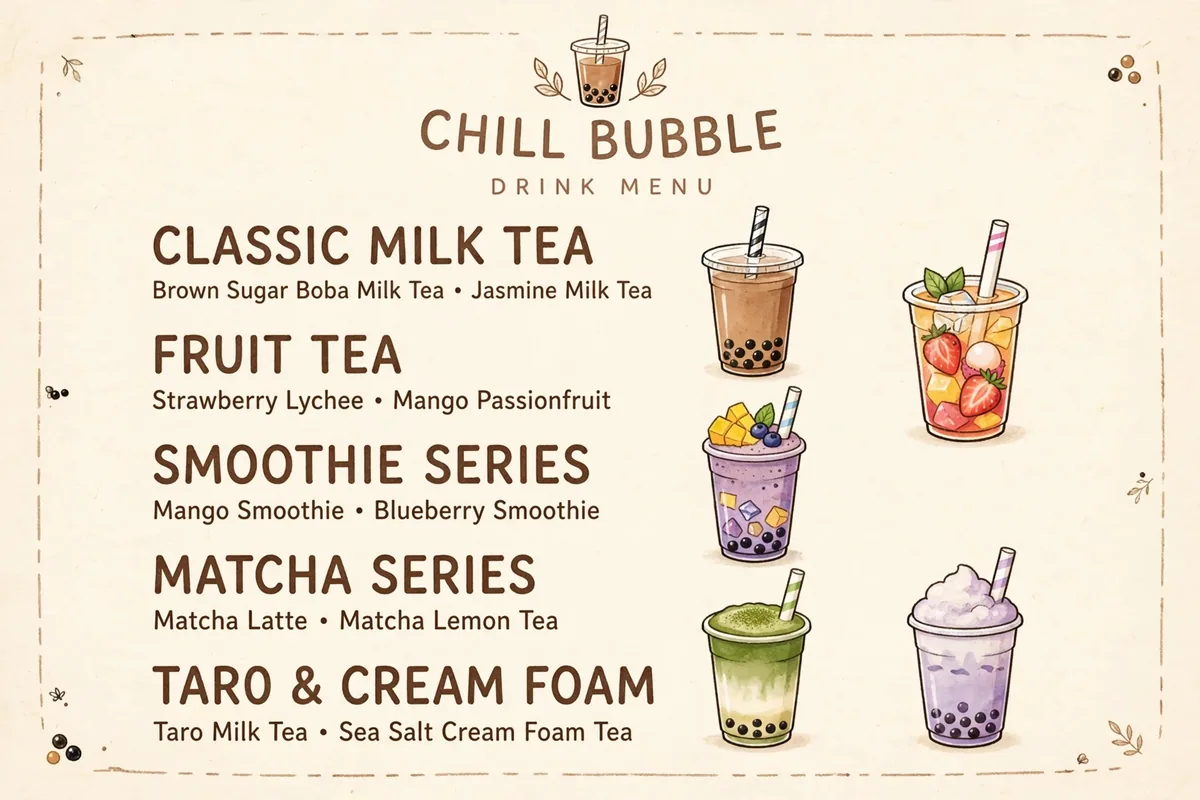
Does Dakasi have JAKIM halal certification?
Based on our research (October 2026), no. We found no listing for Dakasi on JAKIM’s halal portal and no announcement of certification from the brand. For context, many international bubble tea brands in Malaysia operate without JAKIM certification while serving halal-friendly menus; certification is voluntary for most food outlets and the process takes months per outlet. A handful of bubble tea chains have pursued it, but it’s the exception, not the norm.
If the status matters to you, the reliable check is JAKIM’s own halal portal (search the brand name), which lists every currently certified premise. Certificates expire and renew, so a live check beats any article, including this one.
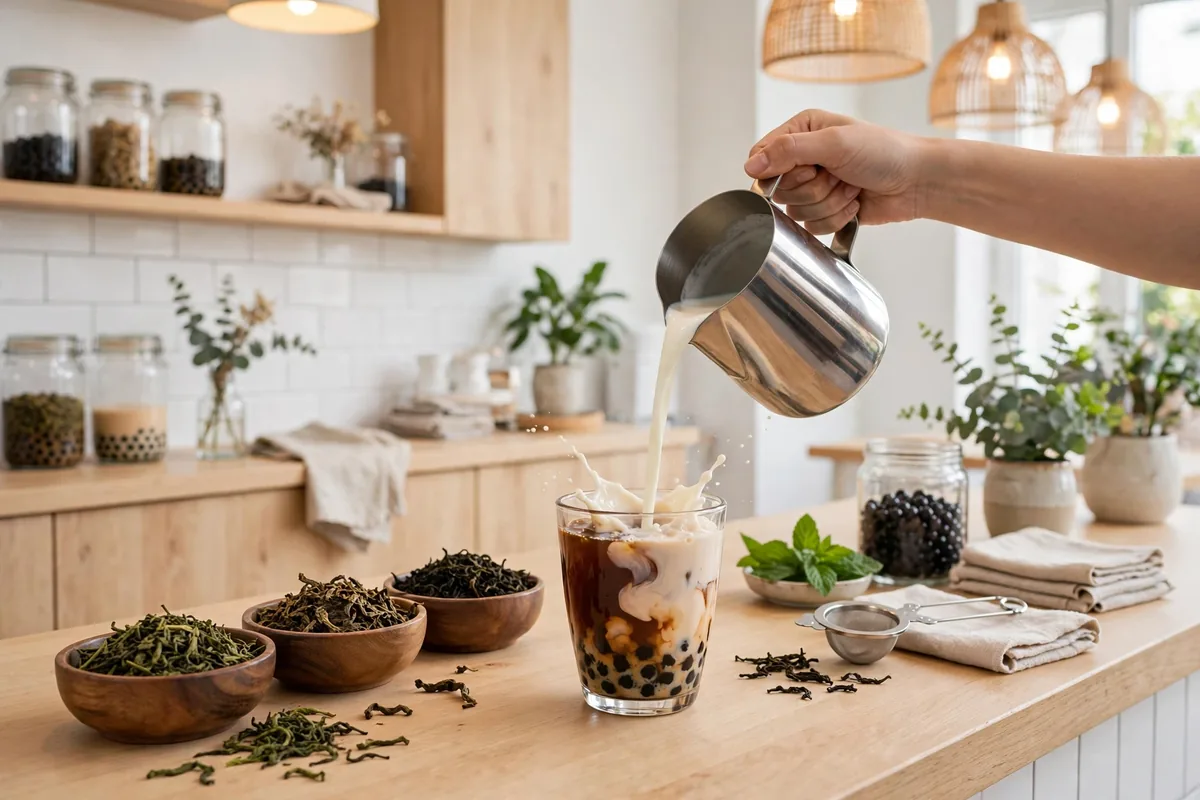
Which Dakasi toppings should halal-conscious customers check?
The drinks themselves are straightforward, but toppings are where questions usually come from. Gelatin-based items (some puddings and jellies across the bubble tea industry can use gelatin of uncertain origin) deserve a question at the counter. Dakasi’s standard topping list includes pearls (tapioca starch based), coconut jelly, grass jelly, aloe vera, red bean, oreo crumbs and chocolate pudding.
| Topping | What It’s Made Of | Note |
|---|---|---|
| Tapioca pearls | Tapioca starch, brown sugar | Plant based, the safest bet |
| Coconut jelly | Coconut water, gelling agent | Usually fine; ask about the gelling agent |
| Grass jelly | Mesona herb extract | Plant based |
| Aloe vera | Aloe plant cubes | Plant based |
| Red bean | Adzuki beans, sugar | Plant based |
| Egg/chocolate pudding | Varies by supplier | Worth asking the outlet about |
| Oreo crumbs | Crushed cookies | Standard packaged ingredient |
General guidance, not a fatwa. Suppliers change; the outlet’s answer is the one that counts.
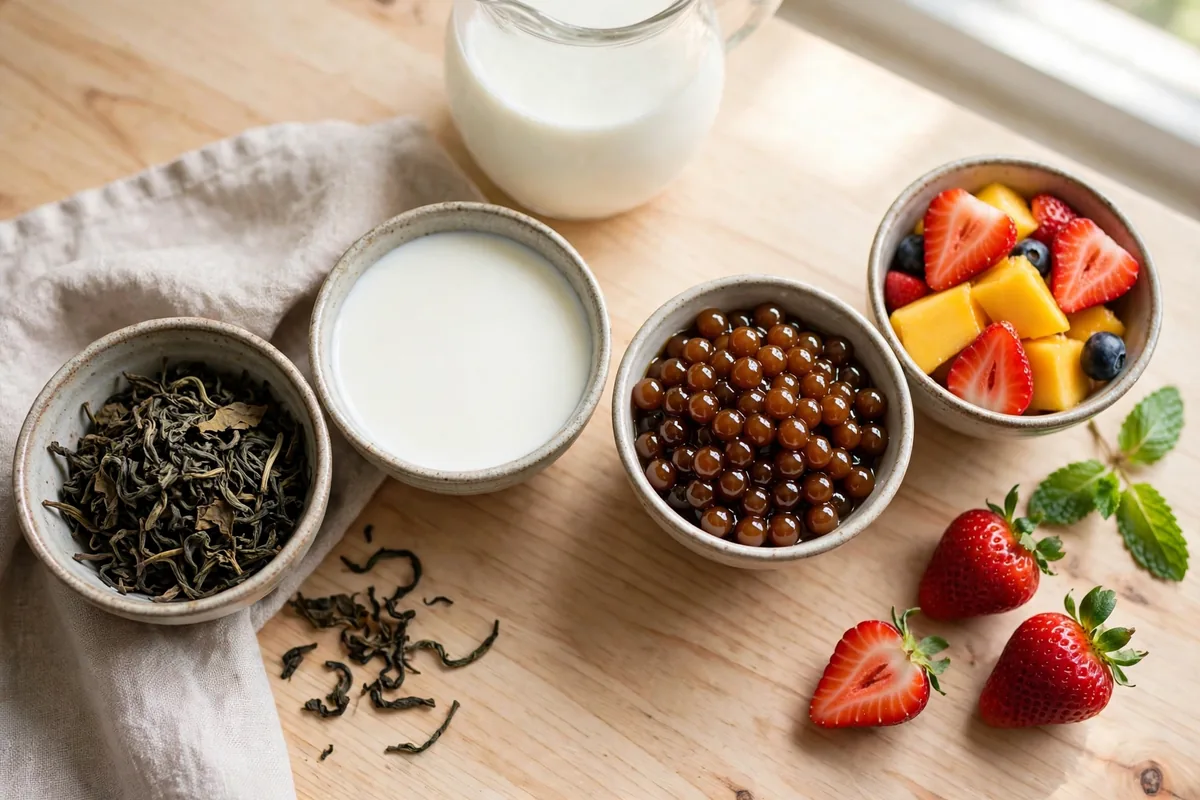
How can I verify Dakasi’s halal status myself?
Three reliable ways. First, check JAKIM’s halal portal and search for the brand or outlet name; certified premises are listed there. Second, ask the outlet staff directly whether they hold a halal certificate and which toppings they’d recommend for Muslim customers; most outlets answer this daily. Third, look for a displayed halal certificate at the counter, certified outlets are required to show it.
About Dakasi
Dakasi (“big cast”) is a Taiwanese bubble tea chain founded in 1990, with hundreds of outlets across China, Taiwan, Hong Kong, Thailand, Indonesia and the Philippines. It’s known for brewing whole tea leaves instead of powder and cooking tapioca pearls fresh throughout the day.
Dakasi halal status FAQs
Is Dakasi halal certified by JAKIM?
We found no record of JAKIM halal certification for Dakasi Malaysia. The brand does not advertise a halal certificate here.
Do Dakasi drinks contain pork or alcohol?
No. The standard menu is tea, milk, sugar, fruit and plant-based toppings. Nothing on the menu involves pork or alcohol.
Which Dakasi toppings are safest for Muslim customers?
Tapioca pearls, grass jelly, aloe vera and red bean are plant based. Puddings and some jellies are worth asking about.
How do I check if an outlet is halal certified?
Search JAKIM’s halal portal for the outlet name, ask staff directly, or look for a displayed certificate at the counter.
Can I order Dakasi on delivery as a Muslim customer?
The ingredient picture is the same as in store. Check the outlet listing and ask the outlet if you need certainty.
More Dakasi guides