Empire Sushi Nutrition Info Malaysia 2026
Looking for Empire Sushi nutrition info? Here is the honest answer first: Empire Sushi has never published official calorie or nutrition figures, so anything you see online is an estimate. What this guide gives you is the next best thing: typical per-serving values for this style of sushi, clearly labelled as estimates, plus a plain-English allergen guide. For the full food list and harga, see the Empire Sushi menu with prices.
Does Empire Sushi publish nutrition information?
No. Empire Sushi doesn’t publish calorie counts, macros, or a nutrition panel for its menu, and that has not changed. Most Malaysian grab-and-go sushi chains skip this, so it is not unusual. What follows is built from typical values for this style of sushi, and every number below is labelled an estimate. If you need exact figures for medical reasons, the chain is the only one that could supply them, and right now it doesn’t.
How many calories are in Empire Sushi?
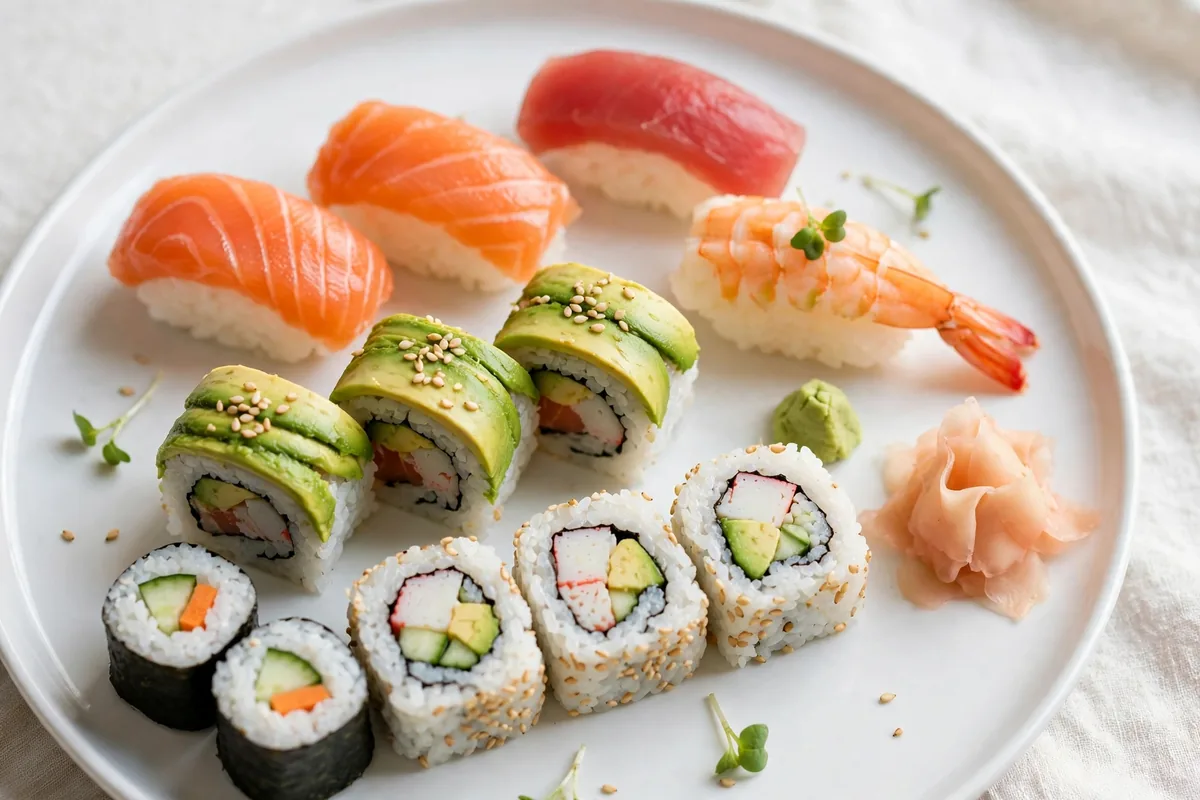
Per serving, the typical values for Empire Sushi’s style of food look like this. A serving here means a normal portion of that item type, roughly what one person would eat as part of a small meal. Rolls run higher because of the rice volume and fillings, sashimi-style pieces stay lighter, and anything tempura-fried jumps because of the oil.
| Item type | Typical per serving | Estimate |
|---|---|---|
| Sushi roll | Maki and roll varieties with rice and fillings | ~300 kcal |
| Sashimi-style / nigiri | Fish over rice, minimal extras | ~200 kcal |
| Tempura items | Battered and fried pieces | ~350 kcal |
What are the lighter options at Empire Sushi?
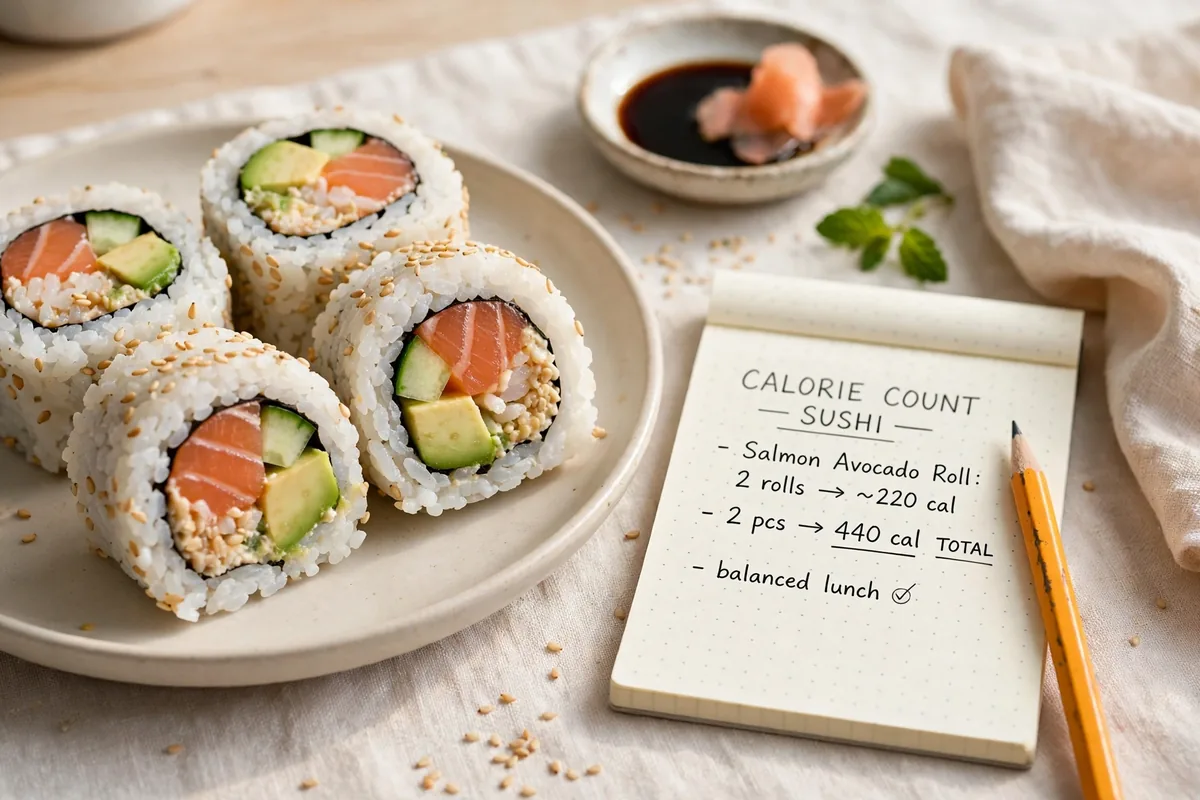
If you want to keep things light, build your tray around sashimi-style and simple nigiri pieces, which sit around 200 kcal per serving by typical estimates. Tamago (sweet egg) and inari (sweet beancurd) are modest too, and plain maki like kappa maki or tamago maki keep the rice-to-filling ratio friendly. The pieces to go easy on are the obvious ones: tempura ebi rolls, anything with a mayo-heavy gunkan topping, and cheese-topped grilled items. Since everything is sold by the piece, portion control is almost automatic, which is half the battle.

What allergens should I watch for at Empire Sushi?
The chain doesn’t publish an item-by-item allergen chart, so this is a category-level guide. Sushi rolls in this style commonly contain fish, shellfish, soy, and wheat (from soy sauce and battered bits). Tempura items bring gluten and shellfish into play. If you have a serious allergy, don’t rely on a guide like this one: confirm with the outlet staff before you order, since recipes can change.
| Category | Common allergens |
|---|---|
| Sushi rolls | Fish, shellfish, soy, wheat |
| Tempura items | Gluten, shellfish |
| Gunkan with mayo toppings | Egg, fish, shellfish, soy |
| Dressings and sauces | Soy, wheat, egg (mayonnaise) |
Tempura at Empire Sushi: what the calories mean
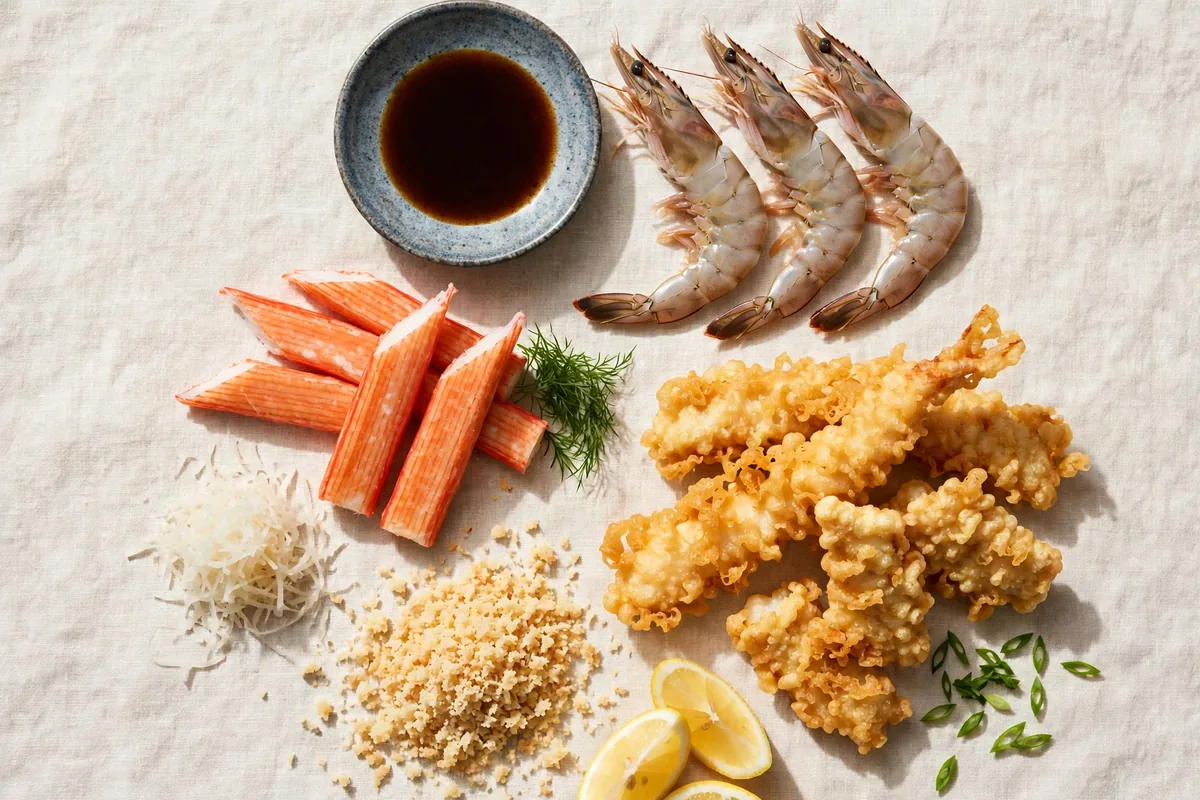
Tempura is the one category where the estimate (~350 kcal per serving) deserves a second look. Frying adds oil that the other pieces skip, and the batter itself is wheat-based, which matters for gluten-sensitive readers. None of this makes tempura ebi a bad choice, it is one of the chain’s best sellers for a reason, but if you are counting, treat tempura as your indulgence piece and balance it with sashimi-style picks. Want the budget side too? Our Empire Sushi value meals guide breaks down what a full meal costs, and the Empire Sushi halal status guide covers certification.

Empire Sushi nutrition info FAQs
How many calories are in an Empire Sushi roll?
Around 300 kcal per serving by typical estimates. Empire Sushi publishes no official figures, so treat this as a guideline, not a lab-certified number.
Does Empire Sushi list allergens?
Not item by item. As a category guide: sushi rolls commonly contain fish, shellfish, soy and wheat; tempura items contain gluten and shellfish. Confirm with the outlet if you have a serious allergy.
What is the lowest-calorie option at Empire Sushi?
Sashimi-style and simple nigiri pieces, around 200 kcal per serving by typical estimates. Tamago and inari are also light choices.
Is Empire Sushi healthy?
It can be: fresh fish, rice and seaweed are a solid base. But tempura items, mayo-heavy gunkan and sweet sauces add up quickly, and with no official nutrition data there is no way to measure precisely.
Is Empire Sushi good for weight loss?
The per-piece format makes portion control easy, which helps. Stick to sashimi-style pieces and simple maki, and keep tempura and mayo toppings to a minimum.