Sate Kajang Haji Samuri Halal Status Prices Malaysia 2026
Yes, the sate kajang haji samuri halal status is clear: the chain is a Muslim-owned Malay business, its satay production has held JAKIM halal certification and Good Manufacturing Practice recognition, and every outlet serves a fully pork-free, alcohol-free menu. Muslim diners can order freely here. This guide explains what the certification covers, what goes into the food, and what to check at your outlet, plus the satay prices. The full price list sits on our Sate Kajang Haji Samuri menu guide.
Is Sate Kajang Haji Samuri halal?
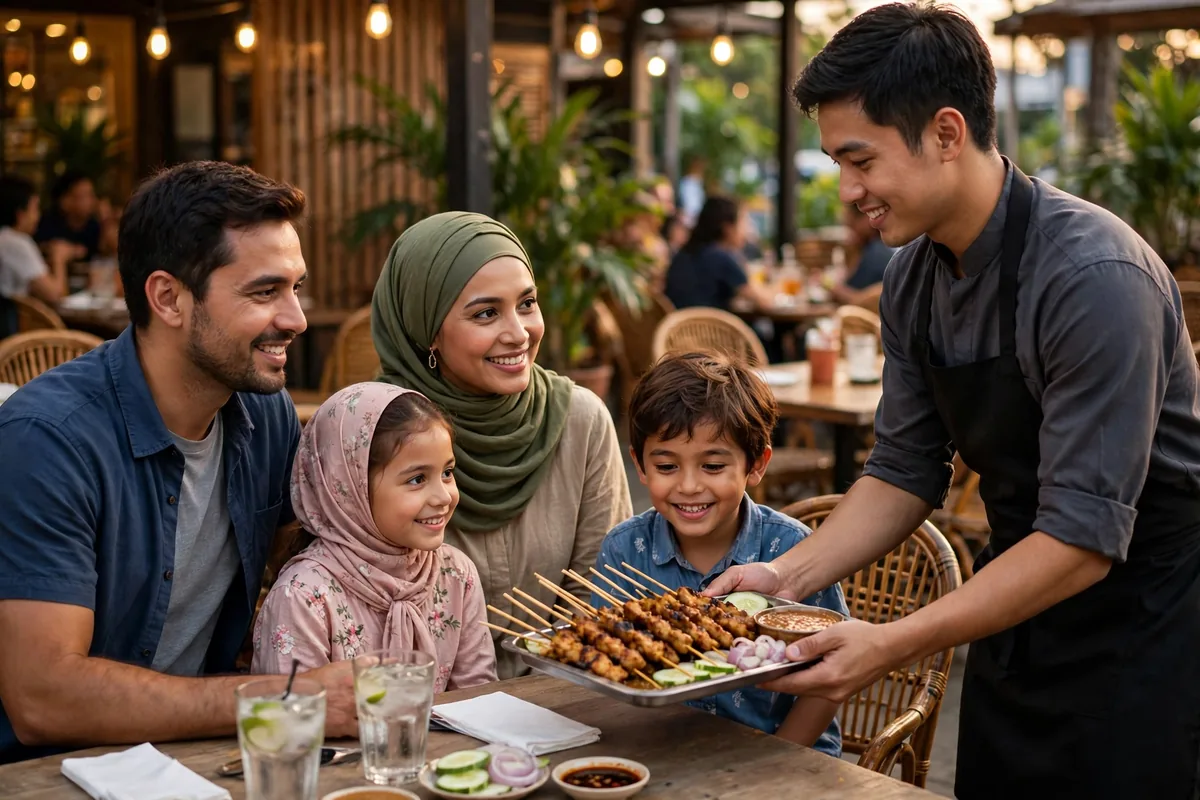
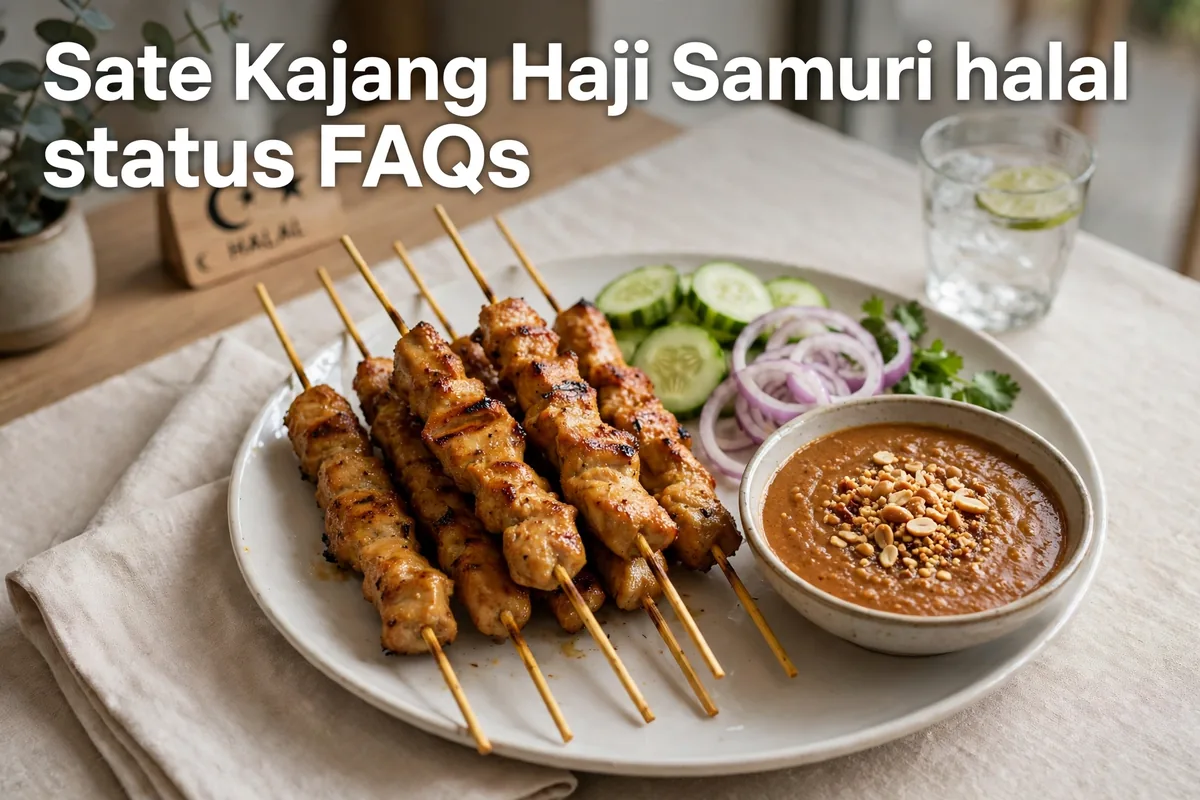
Yes. Sate Kajang Haji Samuri is a halal restaurant chain, and Muslim diners can eat here without worry. The business was founded in 1992 by Haji Samuri Juraimi, a Malay Muslim, and it is still run by his family. The whole menu is Malay Muslim cooking, chicken, beef, mutton, fish and rabbit satay grilled over charcoal, served with peanut sauce, nasi impit or ketupat, cucumber and onion. There is no pork anywhere on the menu and no alcohol is served.
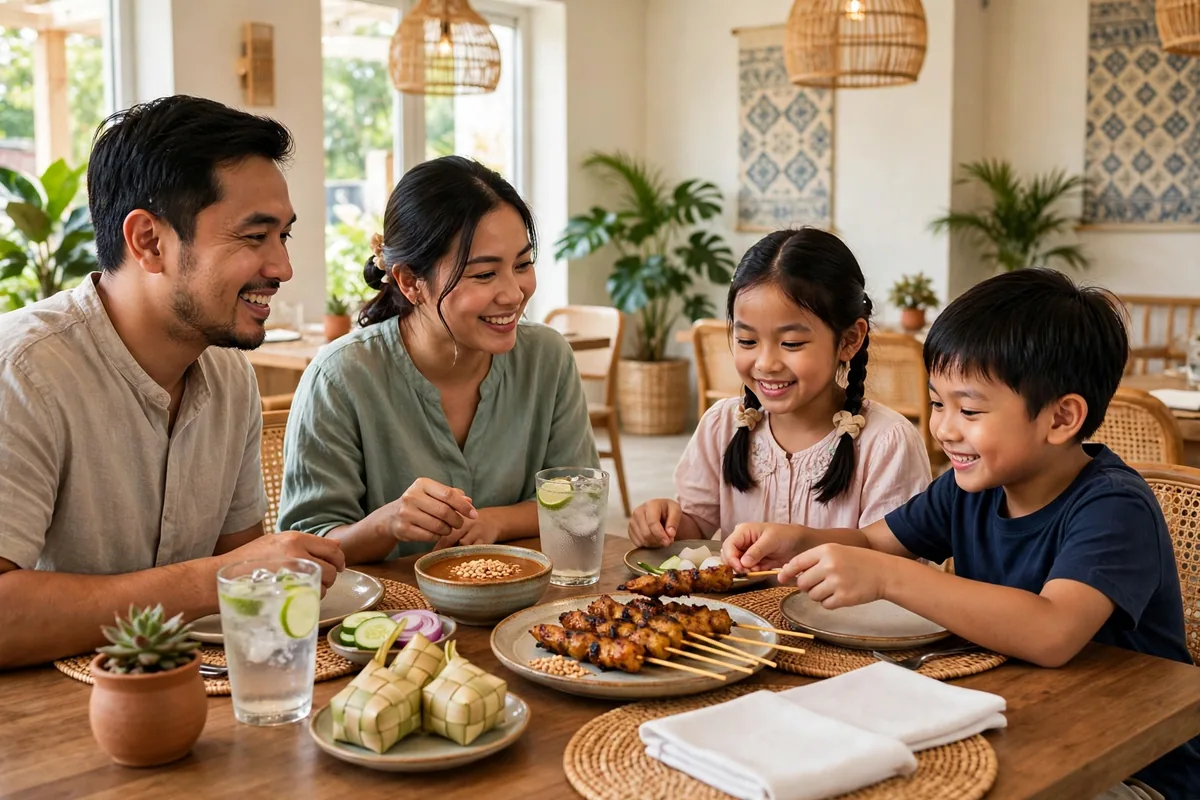
Halal dining guides list the chain’s outlets as halal, including the Bukit Bintang branch in Kuala Lumpur, and review sites mark every outlet with a Halal listing. The chain has also grown into catering for weddings, corporate dinners and government functions, work that only goes to suppliers clients trust on halal compliance. That said, halal certification in Malaysia is issued per premises and per production site, not as one blanket certificate for a whole brand forever. If you need certainty for a specific outlet, ask the staff at the counter to show the current certificate. They deal with the question all the time.
What does the JAKIM halal certification cover?
A UiTM business case study of Sate Kajang Haji Samuri records that the company has been given the title of Good Manufacturing Practice and a halal certificate from JAKIM. That certification covers the satay production itself, the meat sourcing, the marinades, the peanut sauce and the central kitchen processes. JAKIM certification means the ingredients, the suppliers and the preparation methods were audited against Malaysian halal standards, and the business must keep those standards to hold the certificate.
| Halal point | What it means for you |
|---|---|
| JAKIM halal certificate | Production and ingredients audited by Malaysia’s halal authority, as recorded in the UiTM case study |
| Good Manufacturing Practice | Recognised food production standards at the central kitchen |
| Muslim-owned business | Founded by Haji Samuri Juraimi in 1992, still family run |
| Pork-free menu | No pork on the menu at any outlet |
| Alcohol-free | No alcohol served or used in cooking |
| Halal meat suppliers | Meat sourced through halal supply chains, part of certification |
One honest caveat: we could not verify the current JAKIM listing for each individual outlet on the public halal portal at the time of writing, and certificates are renewed on a cycle. The chain-level certification is documented, the outlets are listed as halal across dining guides, and the food is pork-free and alcohol-free. For a wedding or a big corporate order, ask the outlet for its current certificate copy. It is a normal request and the staff will understand.
What goes into the satay and peanut sauce?
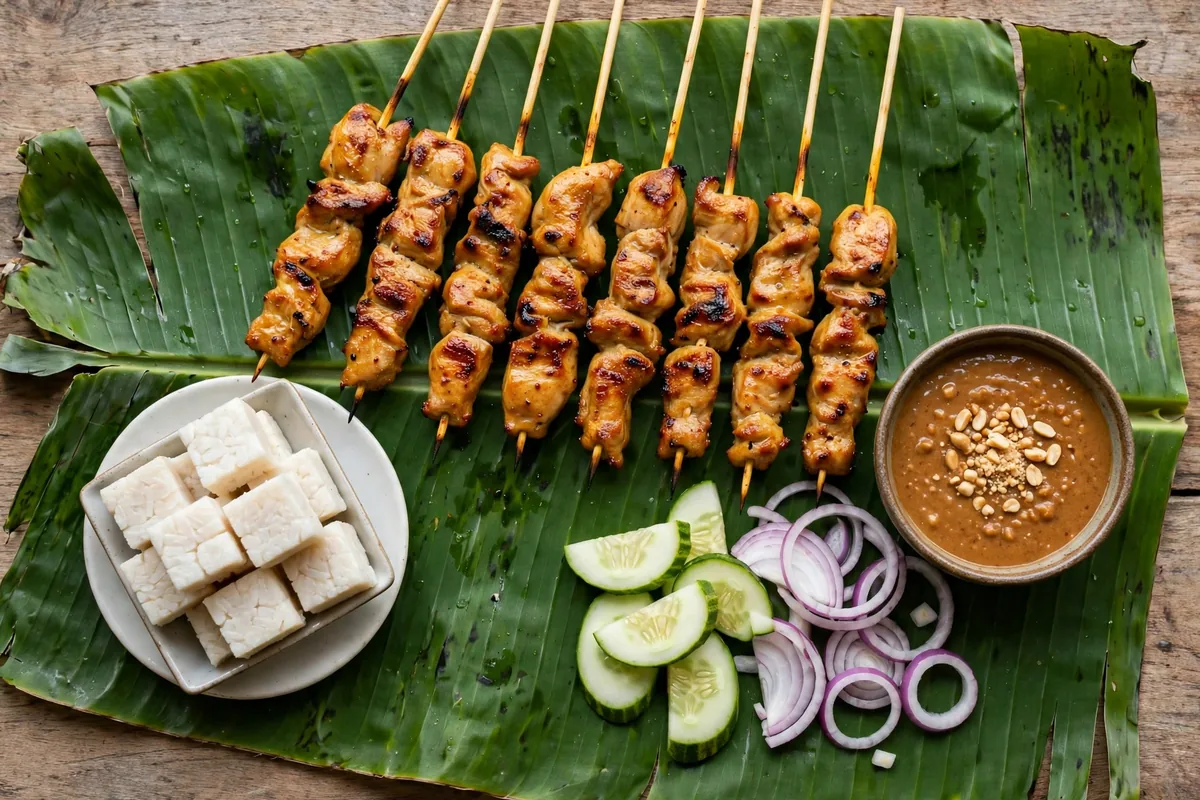
The satay itself is simple food. Marinated meat, chicken, beef, mutton, fish, tripe, liver and gizzard, or rabbit, threaded on bamboo skewers and grilled over charcoal. The marinade is the classic Malay mix: turmeric, lemongrass, galangal, garlic, coriander and a touch of palm sugar. Nothing in the marinade raises a halal concern. The meat comes from halal suppliers, which is part of what the JAKIM certification audits.
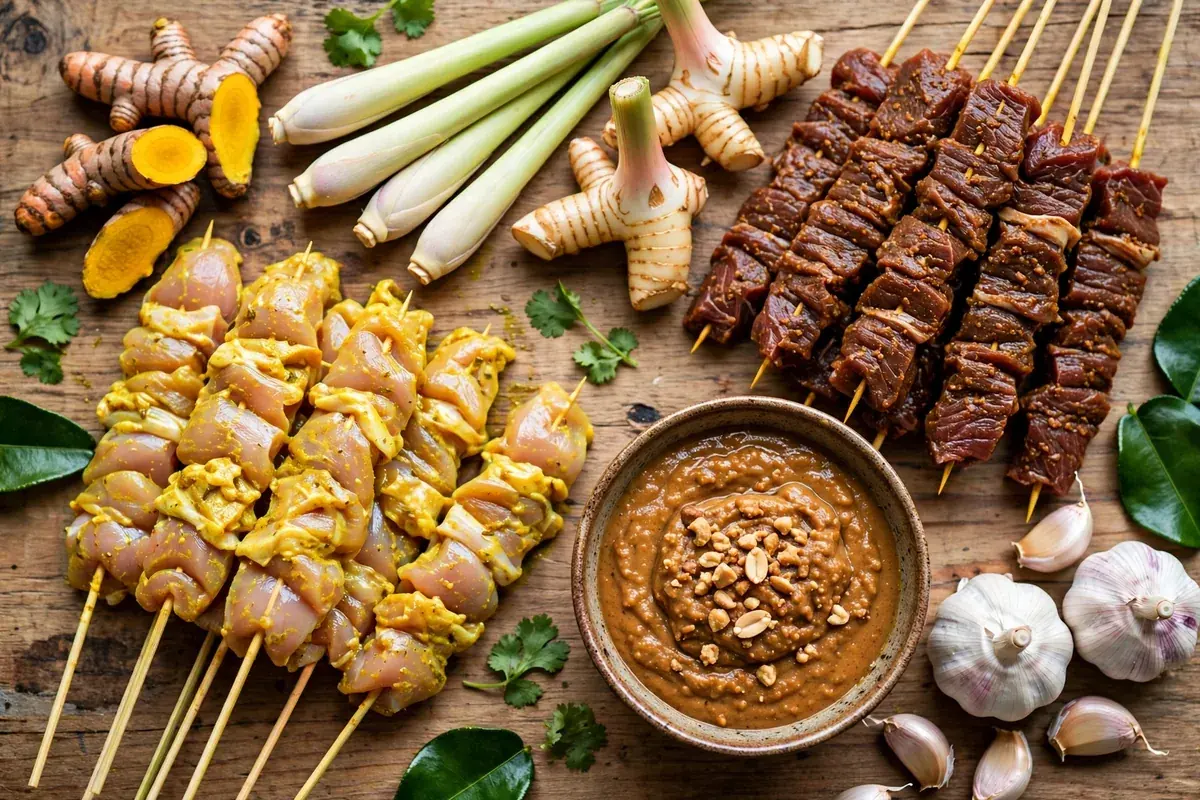
Peanut sauce ingredients
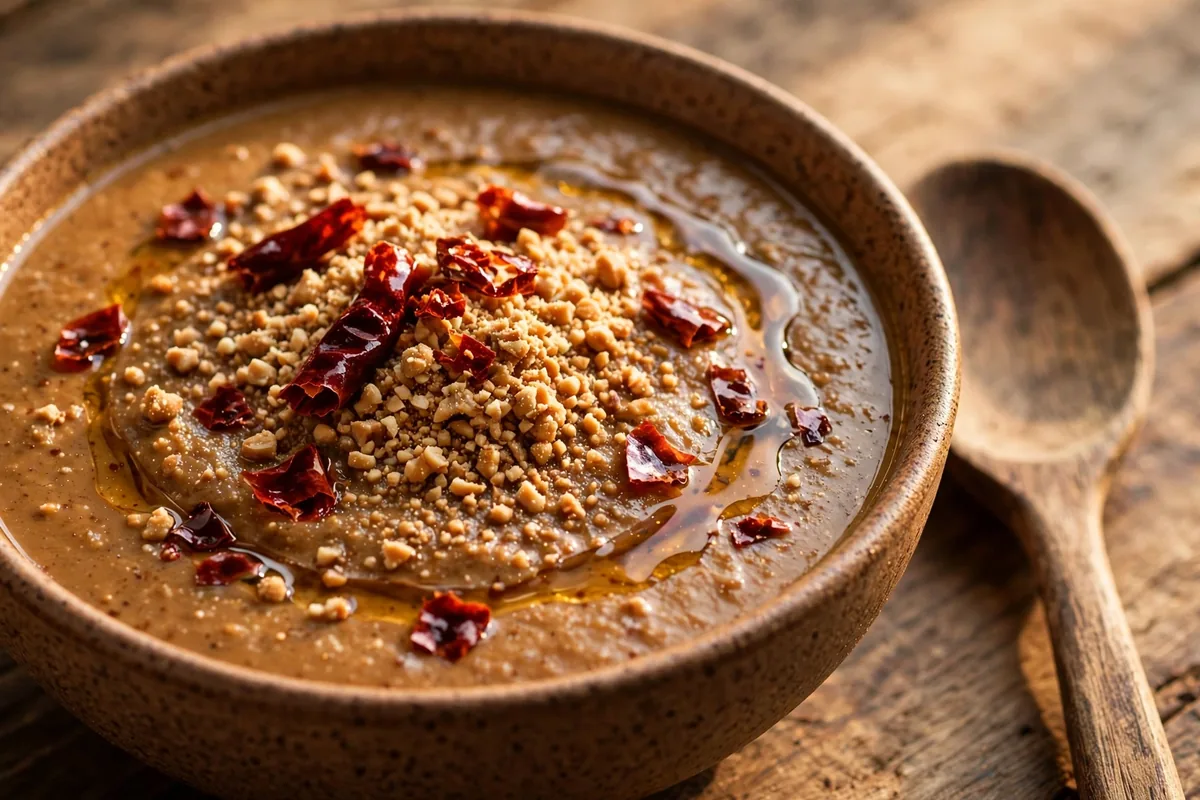
The kuah kacang is the heart of the meal. It is made from ground peanuts, dried chilli, palm sugar, garlic, shallots and tamarind, cooked down into a thick, nutty, slightly spicy sauce. It contains no meat stock and no alcohol. The one thing to know is the peanut itself: if anyone in your group has a peanut allergy, the sauce is the risk, not the satay. Ask for the satay plain and skip the sauce, or order the sambal on the side instead. Our Sate Kajang Haji Samuri menu card lists every dish with prices in one place.
Drinks and desserts
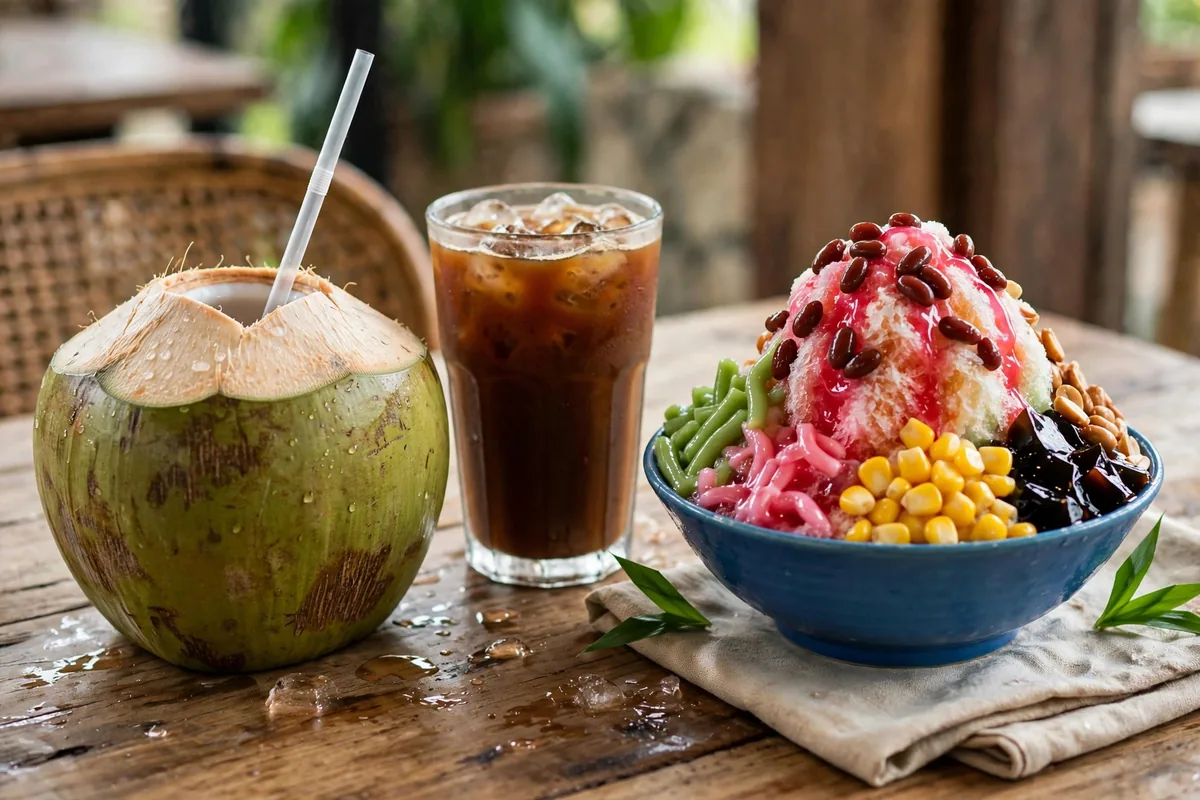
Drinks are straightforward: fresh coconut, orange juice, iced coffee and canned drinks, plus ais kacang for dessert. None of them contain alcohol. The ais kacang is shaved ice with red beans, corn, syrup and condensed milk. If you are strict about ingredients in desserts, the condensed milk and syrups are standard commercial products, and the staff can confirm the brands they use.
What should Muslim diners check before ordering?
For most Muslim diners, nothing needs checking at all. The chain is Muslim-owned, halal-certified at production level, and the menu is pork-free and alcohol-free. Still, a few quick checks make the visit smoother, especially if you are bringing a big group or ordering catering.
- Ask to see the outlet certificate: if you need formal proof for an event, the staff can show the current halal certificate for that branch.
- Check Friday hours: the Kajang flagship opens at 4:00 PM on Fridays, after prayers, so plan around that.
- Peanut allergy: the sauce is peanut-based, so flag it when ordering for children or anyone with an allergy.
- Catering orders: confirm the halal certificate copy in writing when booking a wedding or corporate function.
- Frozen satay: some outlets sell frozen satay to take home, and the same halal production standards apply.
- New outlets: a brand-new branch may still be waiting on its own certificate display, so ask if the branch just opened.
How much does a halal satay meal cost?
Halal status doesn’t change the price. Satay is sold by the stick, chicken from RM1.06, beef RM1.27, mutton RM2.12 and rabbit RM2.44 on listed prices, with recent diners reporting higher prices at the Kajang flagship. A solo meal of eight chicken sticks with nasi impit comes to around RM10. The Menu Rahmah cup, three sticks with sauce, nasi impit and cucumber for RM5, is the cheapest way in, though it was reported in 2023, so ask at the counter whether it is still offered. For off-menu ideas, see our Sate Kajang Haji Samuri secret menu guide.
| Item | Details | Price |
|---|---|---|
| Satay Ayam (Chicken) | The classic, turmeric and lemongrass marinade | RM1.06 – 1.50 |
| Satay Daging (Beef) | Richer, deeper flavour than the chicken | RM1.27 – 1.65 |
| Satay Kambing (Mutton) | Juicy, bold, the must-try for meat lovers | RM2.12 |
| Satay Arnab (Rabbit) | Lean, tender, mildly sweet | RM2.44 – 3.20 |
| Satay Ikan (Fish) | Fish satay, lighter than the meat sticks | RM1.38 |
| Ketupat | Compressed rice in a palm leaf pouch, per piece | RM0.60 |
| Nasi Impit with Cucumber | Compressed rice cubes, per plate | RM1.30 – 1.50 |
| Menu Rahmah cup | 3 sticks, sauce, nasi impit and cucumber, if still offered | RM5.00 |
About Sate Kajang Haji Samuri
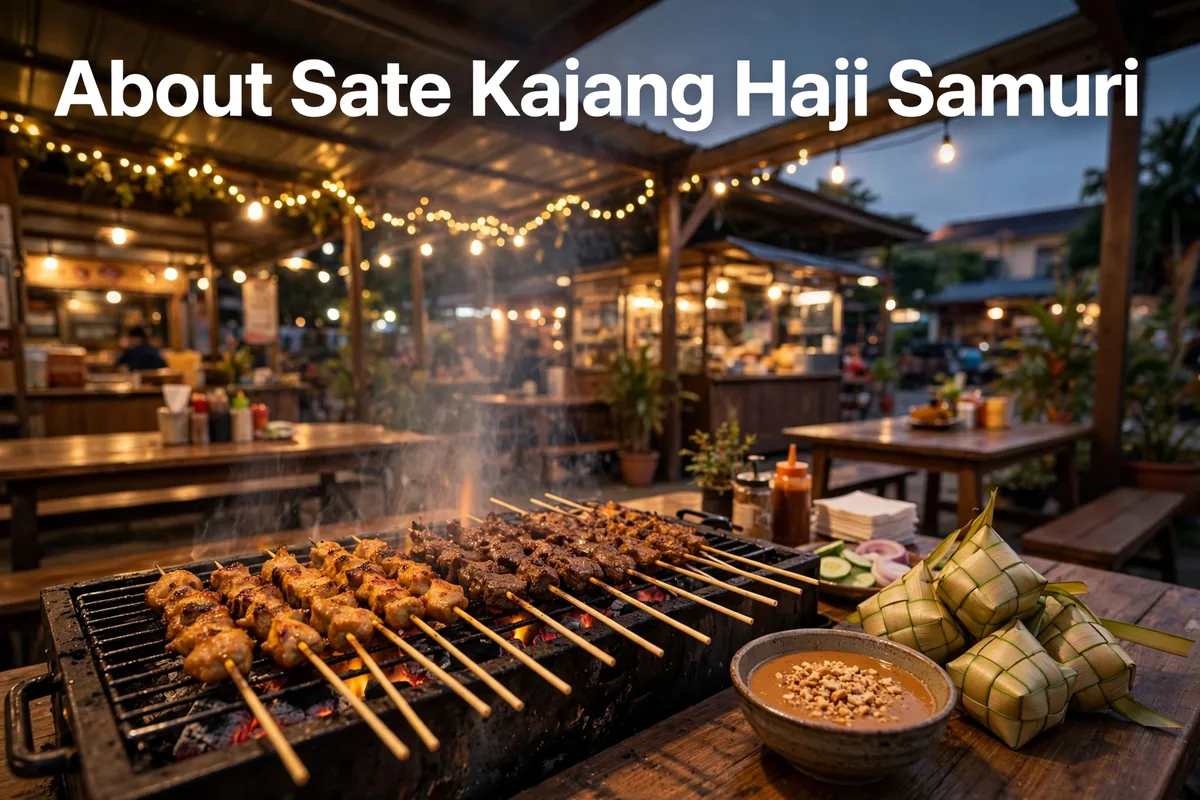
Sate Kajang Haji Samuri began as a small satay stall, Gerai No 5 at Medan Satay Kajang, in 1992, though the family’s satay tradition goes back to the 1960s. Founder Datuk Samuri Juraimi built it into the chain that made Kajang known across Malaysia as Satay Town. Today the chain runs around 20 outlets, three in Kajang and the rest across the Klang Valley, Seremban and Port Dickson, and it also sells frozen satay at selected outlets. The flagship restaurant sits next to Stadium Kajang, a short walk from MRT Stadium Kajang station.
Sate Kajang Haji Samuri halal status FAQs
Is Sate Kajang Haji Samuri halal?
Yes. The chain is Muslim-owned, its production has held JAKIM halal certification and Good Manufacturing Practice recognition, and every outlet serves a pork-free, alcohol-free menu.
Is Sate Kajang Haji Samuri JAKIM certified?
A UiTM business case study records that the company received a halal certificate from JAKIM and Good Manufacturing Practice recognition. We could not verify each individual outlet’s current listing on the public halal portal, so ask the outlet to show its current certificate if you need formal proof.
Does Sate Kajang Haji Samuri serve pork?
No. There is no pork anywhere on the menu. The satay meats are chicken, beef, mutton, fish, tripe, liver and gizzard, and rabbit, all from halal suppliers.
Is alcohol served at Sate Kajang Haji Samuri?
No. No alcohol is served, and none is used in the cooking. Drinks are fresh coconut, juices, iced coffee and canned drinks.
Can Muslims eat the peanut sauce?
Yes, the kuah kacang is made from peanuts, chilli, palm sugar, garlic, shallots and tamarind, with no meat stock or alcohol. The only concern is a peanut allergy, so flag it when ordering.
Is Sate Kajang Haji Samuri suitable for catering a Muslim wedding?
Yes, the chain regularly caters weddings and corporate functions. Confirm the halal certificate copy in writing when you book, and ask the outlet for its current certificate.
More Malaysian guides