Suki-Ya Nutrition Info Malaysia 2026
Suki-Ya nutrition info starts with an honest gap: the chain publishes no nutrition information for its buffet dishes, so there is no official calorie count for a plate of beef or a bowl of sukiyaki broth. That is the starting point for this guide, and any site that prints exact calories for Suki-Ya dishes is guessing. What you can do is build a lighter meal from the parts you control, the soup base, the proteins, and how much of the vegetable bar you eat. Below is the buffet explained, the lightest soup bases ranked, clearly labelled general food values to help you judge a plate, and the full Suki-Ya menu prices for planning your visit.
What nutrition information does Suki-Ya publish?
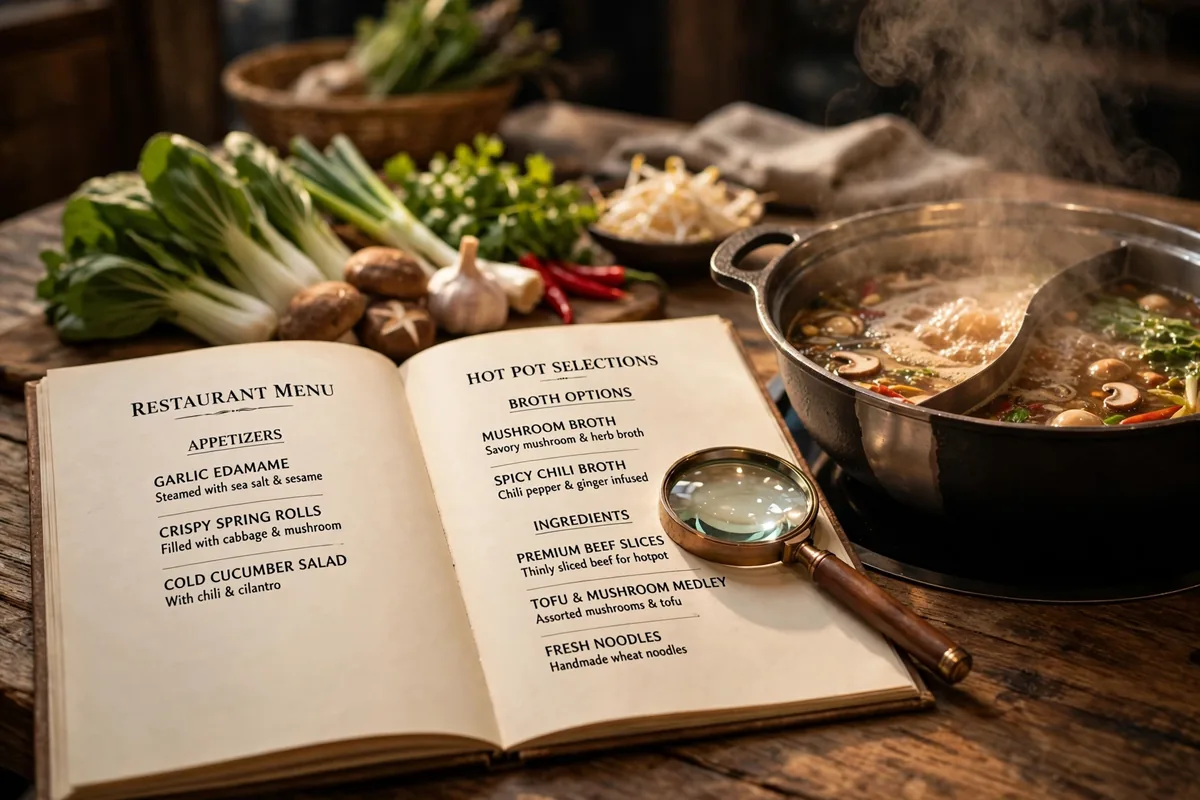
None, as far as any public source shows. We checked the official Suki-Ya site and its published menu on 13 November 2026, and there is no nutrition table, no calorie list, and no allergen sheet posted for the buffet. That makes sense for the format, since an all-you-can-eat buffet has no fixed serving size: one diner eats two plates of beef and a mountain of vegetables, the next eats mostly noodles, and the same session price covers both. What the chain does publish in full is the price list, the four soup bases, and what the buffet includes, and those are the facts this guide is built on. Our Suki-Ya menu card lists the full spread, and the Suki-Ya best sellers guide covers the dishes regulars order most.
| What You Want to Know | Published by Suki-Ya? |
|---|---|
| Buffet prices | Yes, full session prices on the official menu page. |
| Soup bases | Yes, four bases listed: shabu shabu, miso, sukiyaki, and kimuchi. |
| Buffet inclusions | Yes, meats, vegetable bar, noodles, sushi, takoyaki, drinks, and soft serve. |
| Calories per dish | No, no official figure found as of 13 November 2026. |
| Protein, carbs, and fat | No, not published for any buffet item. |
| Allergen information | No, no allergen sheet found. Ask staff about specific allergies. |
If you have a food allergy, the honest advice is to tell the staff before you sit down, since the shared pot and the self-serve bar make cross-contact likely. The buffet format means the kitchen can’t plate a separate allergy-safe pot on request, so the staff’s answer matters more than anything on this page.
How many calories are in a Suki-Ya meal?
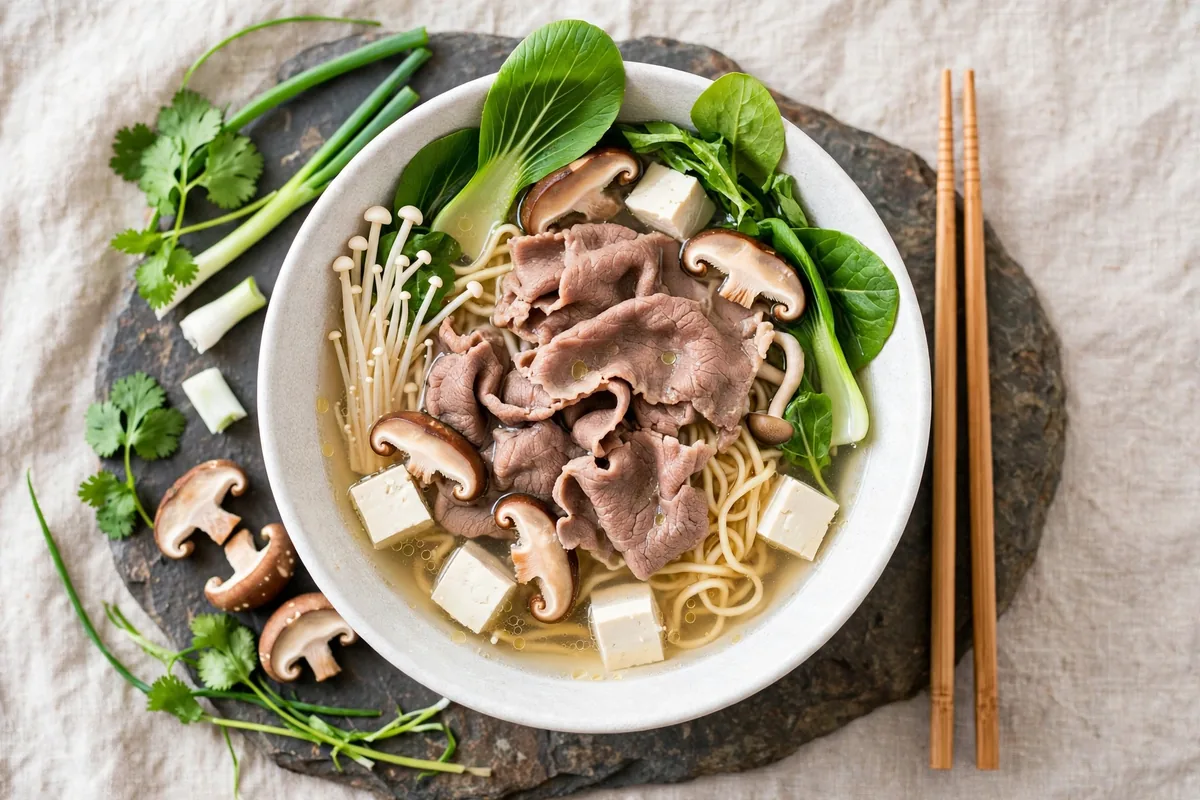
There is no official answer, and the real one depends on your plate. A vegetable-heavy session with chicken and a clear broth can stay light, while a beef-heavy session with sweet sukiyaki broth, noodles, and two rounds of soft serve can run far higher, and both cost the same flat price. Since the chain publishes nothing, the table below uses typical published values for the food itself, not Suki-Ya’s recipes, so you can judge a plate by what’s on it. Think of it as a rough guide, not a calorie count for your meal, because portion size, broth, and dipping sauces move the total more than any single item.
| Food (per 100g, unless noted) | Typical Energy | Notes |
|---|---|---|
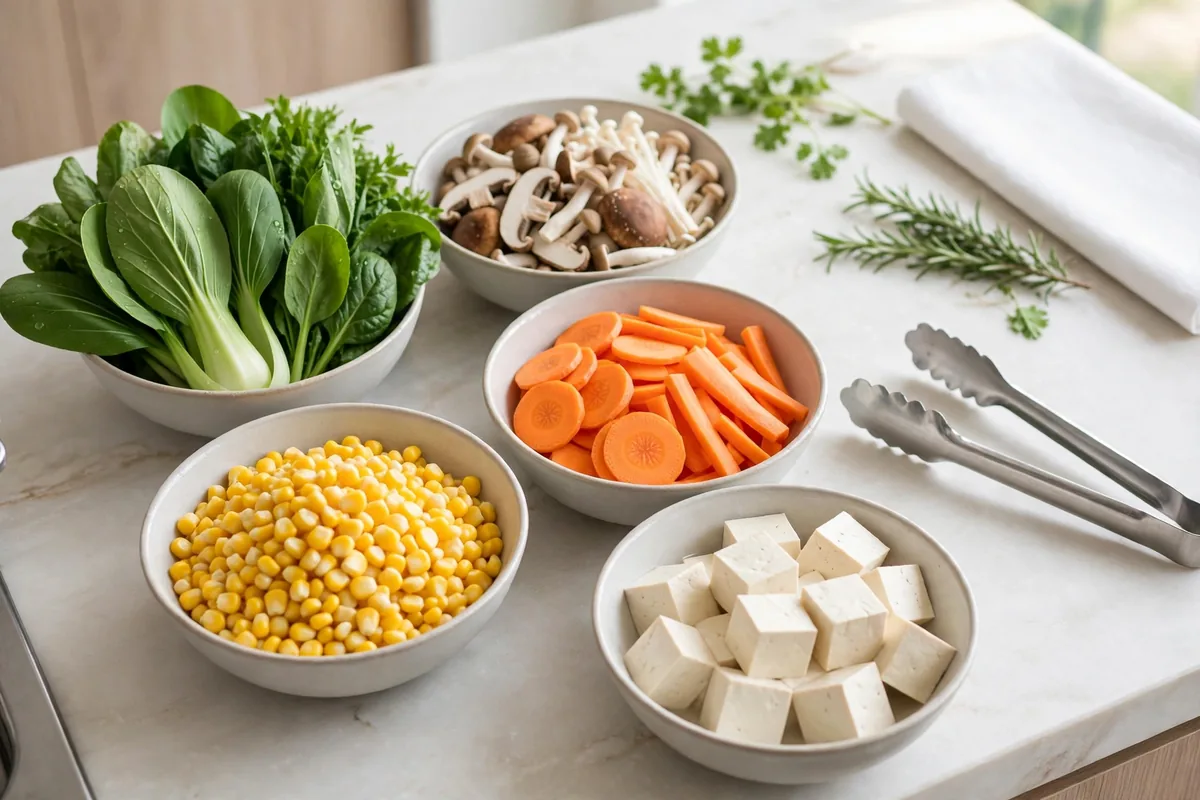
| Leafy greens and cabbage | 20 – 25 kcal | The lightest thing on the buffet, eat freely. |
| Mushrooms | 22 kcal | Low energy, good bulk for the pot. |
| Firm tofu | 70 – 80 kcal | Decent protein for very few calories. |
| Chicken breast slices | 165 kcal | The leanest meat on the buffet. |
| Lean beef slices | 200 – 250 kcal | Rises with fattier cuts and marbling. |
| Lamb slices | 250 – 290 kcal | The richest meat on the buffet. |
| Cooked noodles | 130 – 160 kcal | Adds up fast across two or three bowls. |
| Cooked white rice | 130 kcal | Plain, but the portion is what counts. |
| Soft serve, small cup | 150 – 200 kcal | One cup is fine, a second is a dessert course. |
These are typical published values for the food itself, rounded, and your plate will differ by cut, sauce, and portion. Dipping sauces deserve a special note: ponzu stays light, while the sweet misotare and sukiyaki dipping sauce add sugar and salt with every dip, so a heavy hand there can add more than the meat itself.
What a lighter plate looks like
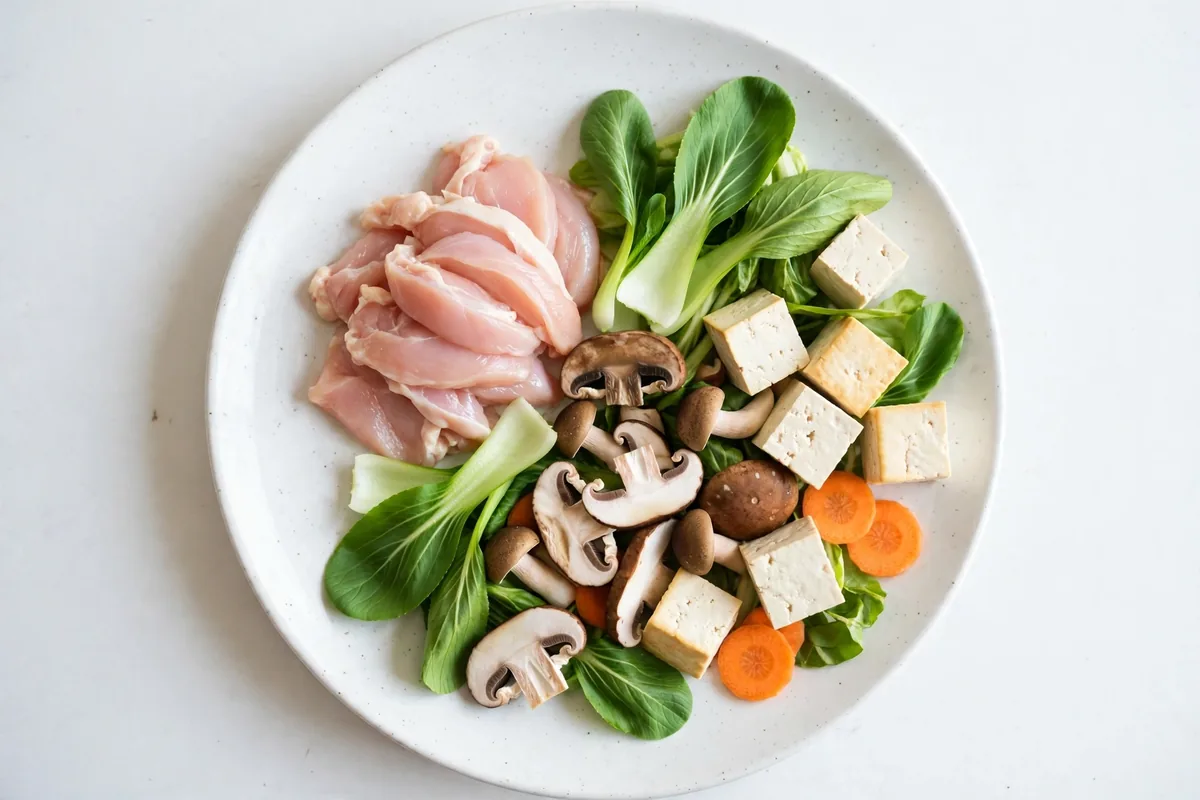
Picture half the plate filled with leafy greens, mushrooms, and tofu from the vegetable bar, a quarter with chicken slices, and a quarter with beef, all cooked in a clear shabu shabu broth. Skip the noodles on the first round, keep the dipping sauce to a light touch of ponzu, and save the soft serve for one small cup at the end. That plate stays filling without piling on the heavier items, and you can still go back for a second round of the same thing if you’re still hungry.
Which Suki-Ya soup bases are the lightest?
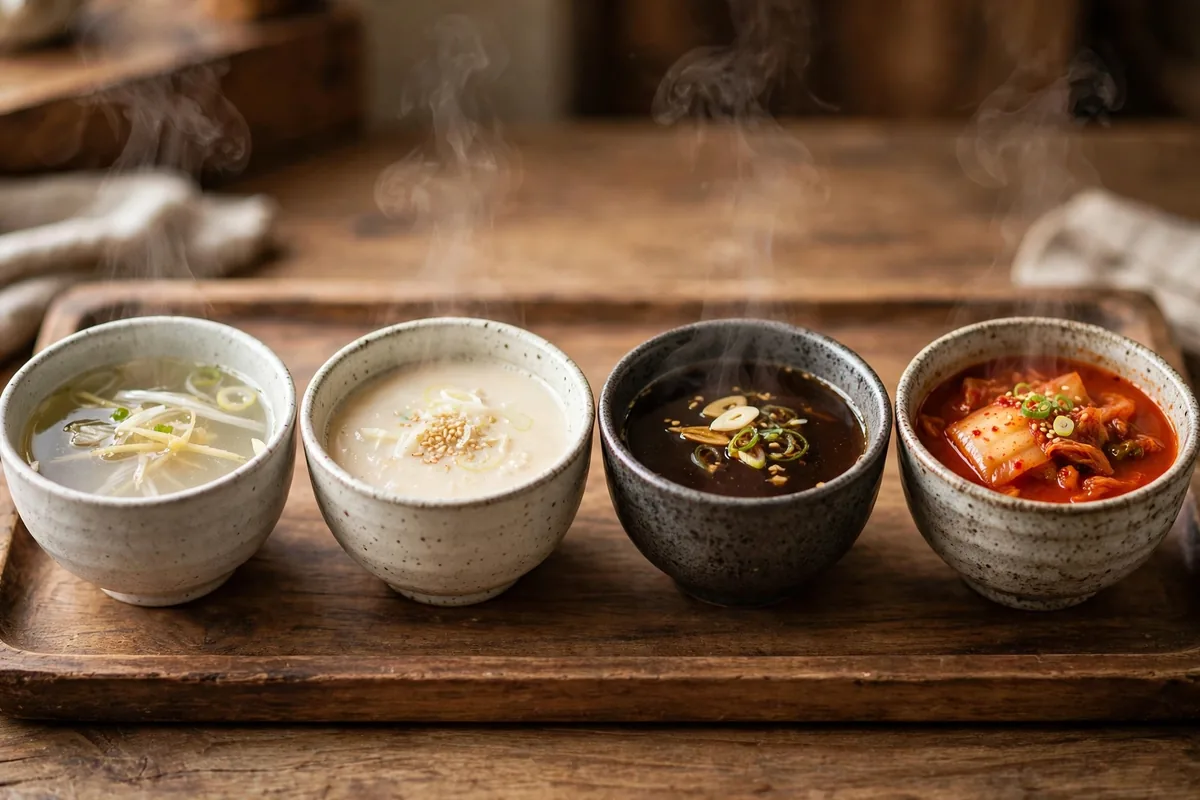
Your soup base sets the tone for the whole meal, because everything you cook soaks it up. Shabu shabu is the lightest of the four, a clear, savoury broth that adds almost nothing to the food itself, which is why it’s the best pick when you want the ingredients to do the talking. Miso sits in the middle, mellow and salty, with a little more body than shabu shabu. Kimuchi brings heat and tang, and it runs a little richer than the clear broth. Sukiyaki is the sweetest of the four by a clear gap, a soy-based broth with sugar in the mix, so it tastes the richest and adds the most to every slice you cook in it. If you want the lightest session, pair shabu shabu with miso, and keep sukiyaki for a small side of the pot rather than the main event.
| Soup Base | Flavour | Lightness |
|---|---|---|
| Shabu Shabu | Light, clear, savoury broth | Lightest, adds almost nothing to the food |
| Miso | Mellow, salty, fermented soybean | Middle, a little more body than shabu shabu |
| Kimuchi | Spicy, tangy, kimchi-style | Middle, richer than the clear broth |
| Sukiyaki | Sweet, rich, soy-based | Heaviest, sugar in the broth adds up |
Salt is the other thing to watch. Every broth is salty by design, and the miso and sukiyaki bases run saltier than the clear one, so if you’re watching sodium, drink water through the meal rather than sweet drinks, and don’t finish the broth at the bottom of the pot.
How can you eat lighter at Suki-Ya?
A buffet rewards a plan, and the 120-minute limit gives you plenty of time to eat slowly instead of racing the clock. Start at the vegetable bar and fill half your plate before you touch the meat trays, pick chicken first and beef second, and keep the lamb for a small taste rather than plate after plate. Order one tray at a time so the food stays fresh and you can stop when you’re full instead of staring at a pile you feel obliged to finish. Water beats sweet drinks through the meal, and one small soft serve at the end closes things off better than two. The session prices are the same whatever you eat, so the lightest meal costs exactly the same as the heaviest one.
| Session | Adult Price (++ ) | Adult Price (Nett) |
|---|---|---|
| Weekday Lunch | RM 39.80++ | RM 46.15 |
| Weekday Dinner | RM 48.80++ | RM 56.60 |
| Weekend and Public Holiday Lunch | RM 43.80++ | RM 50.80 |
| Weekend and Public Holiday Dinner | RM 52.80++ | RM 61.25 |
| Extra time, per 15 minutes | Added to any session if you run over | RM 5.00 |
A lighter 120-minute game plan
First 30 minutes: vegetables, tofu, and chicken in the shabu shabu side, with a light touch of ponzu. Next 30 minutes: a round of beef in the miso side, plus mushrooms and leafy greens to keep the plate balanced. Last stretch: skip the noodles, take a small bowl of sushi or takoyaki if you want a change, then one small soft serve to finish. Drink water through the meal, take your time, and stop when you’re full, because the buffet charges for wasted food, so ordering a tray at a time keeps both your plate and your bill honest.
Suki-Ya nutrition info FAQs
Does Suki-Ya publish nutrition information?
No, Suki-Ya publishes no per-dish nutrition information. No official calorie table or allergen sheet was found on the official site as of 13 November 2026.
How many calories are in a Suki-Ya meal?
There is no official figure, since the buffet has no fixed serving size. A vegetable-heavy plate with chicken and clear broth stays light, while a beef-heavy meal with sweet broth, noodles, and soft serve runs far higher. The general food values in this guide give a rough sense of scale.
Which Suki-Ya soup base has the fewest calories?
Shabu shabu is the lightest, a clear broth that adds almost nothing to the food. Sukiyaki is the sweetest and richest, since sugar is part of the broth, with miso and kimuchi sitting in the middle.
Is Suki-Ya healthy?
It can be, and it depends on your plate. A hotpot built on vegetables, tofu, chicken, and a clear broth is light and filling, while sweet broth, noodles, and soft serve push the meal heavier. The buffet format puts that choice in your hands.
Does Suki-Ya have low-carb options?
In practice, yes: meat, vegetables, tofu, and mushrooms are all low in carbs, and you can skip the noodles and rice entirely. There is no official low-carb menu, and the sweet sukiyaki broth still adds sugar, so pick the clear broth for the lightest plate.
How much is Suki-Ya in Malaysia?
Weekday lunch is RM39.80++ (RM46.15 nett), weekday dinner is RM48.80++ (RM56.60 nett), weekend lunch is RM43.80++ (RM50.80 nett), and weekend dinner is RM52.80++ (RM61.25 nett). Kids aged 5 to 11 pay half. Prices verified 13 November 2026.
More Malaysian menu guides